
 English
 русский
 Español
 عربى
عربى
How Does Automotive Glass Window Film Improve Driving Comfort and Safety?
Content
Introduction to Automotive Glass Window Film
Automotive glass window films are thin layers of specialized materials applied to vehicle windows to improve comfort, safety, and energy efficiency. By blocking ultraviolet (UV) rays, reducing heat, and preventing shattering, these films provide a significant enhancement to the driving experience. Modern films come in various types, including tinted, ceramic, and hybrid films, each offering unique benefits for vehicles and passengers.
Enhancing Driving Comfort
One of the primary benefits of automotive glass window films is the improvement of interior comfort. By controlling heat and light transmission, films can create a more pleasant and consistent environment inside the vehicle, especially during long drives or in harsh climates.
Heat Reduction and UV Protection
- Blocks up to 99% of harmful UV rays, protecting passengers from skin damage and reducing interior fading.
- Reduces solar heat gain, lowering cabin temperatures and improving air conditioning efficiency.
- Maintains a consistent temperature throughout the vehicle, enhancing comfort for all passengers.
- Prevents glare from sunlight, reducing eye strain and fatigue during driving.
Glare Reduction and Visibility
Window films also reduce glare from the sun, headlights, and reflective surfaces. This leads to safer and more comfortable driving, particularly in urban environments or during sunrise and sunset.
- Improves visibility by reducing intense reflections and bright spots.
- Enhances driving focus and reduces the risk of accidents caused by temporary blindness from glare.
- Supports better night driving conditions by minimizing interior reflections on windows.
Improving Safety on the Road
Safety is another critical aspect where automotive glass window films make a difference. Films reinforce the structural integrity of windows, reducing the risk of injury from shattered glass during accidents or vandalism.
Shatter Resistance and Protection
- Holds broken glass together, preventing shards from causing injuries.
- Enhances vehicle security by making it harder to break into the car.
- Minimizes damage from flying debris during accidents or storms.
- Reduces risk of ejection for passengers in the event of a collision.
Impact on Driver Attention and Safety
By reducing glare and controlling light penetration, window films help drivers maintain better focus, which contributes to overall road safety.
- Reduces distractions caused by bright sunlight or headlights of other vehicles.
- Maintains a clearer view of the road during different lighting conditions.
- Improves reaction times by providing a consistently visible environment inside the vehicle.
Energy Efficiency and Environmental Benefits
Automotive glass window films also contribute to energy efficiency by reducing reliance on air conditioning. This has direct benefits for fuel consumption, emissions, and the overall environmental footprint of vehicles.
Cooling Efficiency and Fuel Savings
- Reduces cabin heat by reflecting and absorbing solar radiation.
- Decreases the workload on vehicle air conditioning systems.
- Contributes to lower fuel consumption and reduced greenhouse gas emissions.
- Enhances battery life in electric vehicles by reducing energy drain from cooling systems.
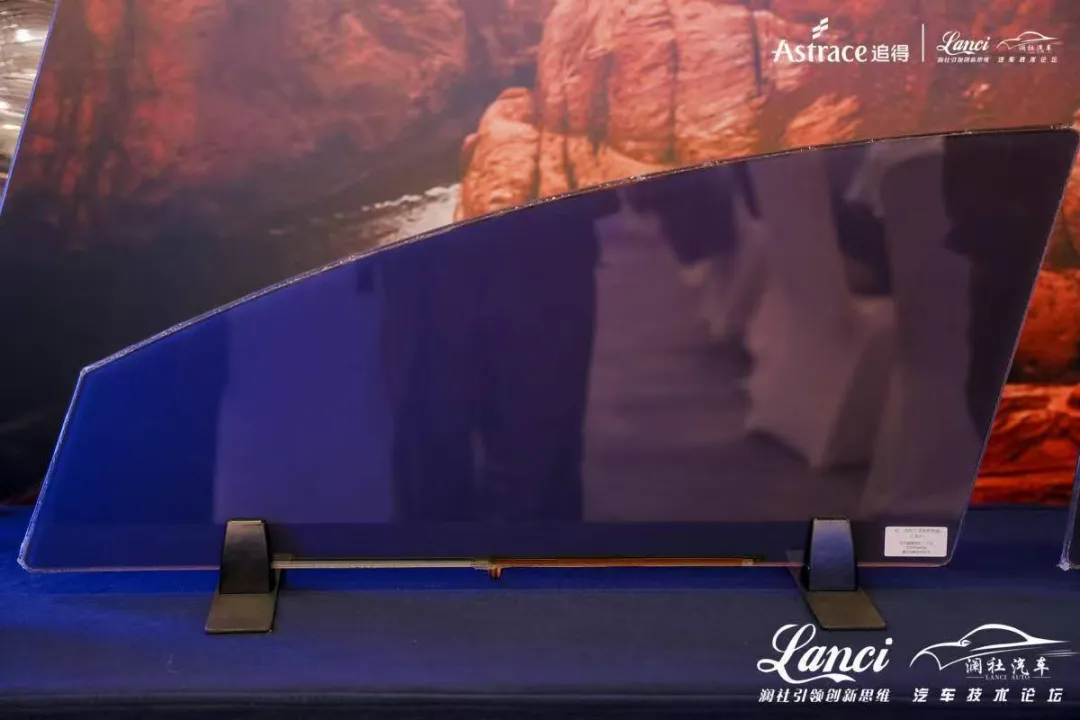
Types of Automotive Window Films
Different types of window films provide specific benefits depending on driver needs, climate, and safety requirements. Choosing the right type is crucial for maximizing comfort and protection.
Common Types and Features
- Tinted Films: Provide basic heat and glare reduction, ideal for everyday driving comfort.
- Ceramic Films: High-performance films that block UV rays and heat without interfering with electronics or signal reception.
- Hybrid Films: Combine metal and ceramic layers for enhanced heat rejection and durability.
- Safety Films: Reinforce windows against shattering, providing maximum protection during accidents.
Maintenance and Installation Considerations
Proper installation and maintenance are essential to ensure the long-term effectiveness of automotive window films. Professional installation guarantees bubble-free adhesion, correct alignment, and optimal performance.
Best Practices for Maintenance
- Clean windows with non-abrasive, ammonia-free cleaners.
- Avoid sharp tools near the film to prevent scratches or tearing.
- Inspect film periodically for peeling or bubbling and address issues promptly.
- Follow manufacturer guidelines for curing times and temperature restrictions after installation.
Conclusion
Automotive glass window films play a vital role in enhancing both comfort and safety for drivers and passengers. By providing heat reduction, UV protection, glare control, and shatter resistance, these films improve the overall driving experience while contributing to energy efficiency and vehicle longevity. Selecting the right type of window film ensures optimal performance in diverse driving conditions, making it a valuable investment for any vehicle.

-

Building 1, Building 3, No.68 Kangyuan Road, Qingpu District, Shanghai, China
-

-
-

+86-17621250420
Copyright © Shanghai Astrace New Material Technology Co., Ltd. All Rights Reserved. Car Modification Smart Glass Film Supplier
