
 English
 русский
 Español
 عربى
عربى
Is a Colour Change Wrap Worth It for Your Vehicle?
Content
What Exactly Is a Colour Change Wrap?
A colour change wrap is a large-format vinyl film applied directly over a vehicle's existing paintwork to completely alter its appearance. Unlike a traditional respray, which permanently changes the colour of the car by applying new paint over the factory finish, a vinyl wrap is a removable, adhesive-backed film that conforms to the contours of the vehicle's body panels. The wrap is installed by trained technicians who stretch, heat, and tuck the film around edges, door handles, mirrors, and bumpers to achieve a seamless, factory-quality finish that covers the entire exterior surface.
The vinyl films used in colour change wraps are precision-engineered products manufactured by specialist companies to strict quality standards. They are constructed in multiple layers: a coloured or textured face film, a pressure-sensitive acrylic adhesive layer, and a release liner that protects the adhesive until installation. Modern wraps incorporate air-release channels in the adhesive layer — a technology that allows installers to reposition the film during application and eliminates the air bubbles that were historically a challenge in early vinyl wrap products. The result, when installed correctly, is a smooth, uniform surface finish that is visually indistinguishable from a factory paint job at normal viewing distances.
The Range of Finishes and Effects Available
One of the most compelling aspects of colour change wrapping is the extraordinary breadth of finishes and visual effects it makes accessible. Traditional paint offers gloss and matte as its primary finish categories, with metallic and pearl effects achieved through specialist paints that carry significant cost premiums. Vinyl wrapping technology has expanded the palette of available finishes dramatically, giving vehicle owners access to options that would be prohibitively expensive or technically impossible to achieve through conventional respraying.
The main finish categories available in colour change wrap films include:
- Gloss: The closest equivalent to a standard paint finish, offering a deep, reflective shine that suits both classic and modern vehicles.
- Matte: A flat, non-reflective finish that has become one of the most popular wrap choices for prestige and performance cars, giving vehicles a stealthy, understated look that is difficult and expensive to achieve with paint.
- Satin: A mid-point between gloss and matte, offering a subtle sheen that is both sophisticated and easy to maintain.
- Chrome and mirror: Highly reflective, metalised finishes that create an eye-catching mirror-like surface. These are among the most technically demanding wraps to install due to their lack of stretch and unforgiving nature during application.
- Colour-shift and chameleon: Multi-layer films that shift between two or more colours depending on the viewing angle and lighting conditions, creating a dynamic, iridescent effect.
- Brushed metal and carbon fibre textures: Textured films that replicate the appearance of brushed aluminium or woven carbon fibre, popular for accent panels and full wraps on sports and luxury vehicles.
- Pearlescent and flip: Films with pearl pigments that shift subtly in different lighting, offering a premium OEM-style finish with added depth and complexity.
This breadth of choice means colour change wrapping is not simply an alternative to paint — it is a distinct creative medium that opens up possibilities unavailable through any other vehicle customisation route.
The Pros of Colour Change Wrapping Your Vehicle
Colour change wrapping has grown from a niche fleet and motorsport application into a mainstream vehicle customisation choice, and for good reason. The benefits are practical, financial, and aesthetic — and they stack up compellingly against the alternative of a full respray.
Paint Protection and Preservation of Resale Value
One of the most frequently cited advantages of a colour change wrap is the protection it provides to the factory paintwork underneath. A high-quality vinyl film acts as a physical barrier between the original paint and the environmental hazards of daily driving: stone chips, road debris, UV radiation, bird droppings, tree sap, and light abrasions. Because the wrap sits on top of the paint rather than replacing it, the factory finish is preserved in near-original condition underneath. When the wrap is eventually removed — whether after two years or seven — the paint beneath can emerge looking significantly better than the exterior surfaces of comparable unwrapped vehicles that have been exposed to the same conditions. For cars where the factory colour and paint condition contribute significantly to resale value, this protection effect is a tangible financial benefit.
Reversibility and Flexibility
Unlike a respray, a colour change wrap is fully reversible. When the vehicle owner decides they want to change the colour again, or when they wish to return the car to its original appearance before selling, the wrap can be removed by a professional installer without damaging the paint beneath — provided the paintwork was in sound condition at the time of wrap application and the wrap is removed correctly using heat and appropriate techniques. This reversibility makes wrapping an attractive proposition for leased vehicles, for owners of rare or collectible cars who want to preserve the factory paint, and for anyone who wants the flexibility to change their vehicle's appearance without making a permanent commitment.
Cost Advantage Over a Full Respray
A professional full respray in a standard colour on a medium-sized car can cost anywhere from £3,000 to £8,000 or more in the UK, with premium finishes, specialist colours, and larger vehicles pushing costs considerably higher. A professional colour change wrap on a comparable vehicle typically ranges from £1,500 to £4,500 depending on the vehicle size, film grade, and finish complexity. The cost saving is therefore meaningful — and when the additional benefit of paint protection is factored in, the value equation for wrapping becomes even more favourable, particularly for newer vehicles where protecting the factory finish has direct financial implications for future resale.
Access to Unique Finishes Not Available in Paint
As outlined in the finishes section above, colour change wrapping provides access to visual effects — matte, satin, colour-shift, textured — that are either unavailable or prohibitively expensive through conventional respraying. For vehicle owners seeking a truly distinctive appearance, wrapping is often the only practical route to achieving the desired finish without a bespoke, specialist paint job that would cost multiples of the wrap price.
The Cons of Colour Change Wrapping Your Vehicle
Despite its many advantages, colour change wrapping is not without drawbacks. A balanced assessment requires honest examination of the limitations and trade-offs that vehicle owners should understand before committing to a wrap.
Lifespan Is Shorter Than a Quality Respray
A premium quality colour change wrap installed by an experienced professional on a properly prepared vehicle can be expected to last between five and seven years before the film begins to show meaningful deterioration — fading, lifting edges, or cracking. A high-quality respray, by contrast, can maintain its appearance for fifteen years or more with proper care. For owners who plan to keep their vehicle for an extended period and do not wish to periodically reinvest in new wrap installations, the ongoing cost of replacement wraps can ultimately exceed the one-time cost of a quality respray. This lifecycle cost consideration is particularly relevant for high-mileage vehicles or those regularly exposed to harsh environmental conditions.
Paint Condition Must Be Sound Before Wrapping
A colour change wrap requires the underlying paintwork to be in good, stable condition before application. Peeling paint, deep rust, poorly adhesed previous repairs, or fresh paint that has not fully cured will all cause problems — either preventing the wrap from adhering properly, or causing damage to the paint when the wrap is removed. Vehicles with significant paint defects may require paint correction or repair work before wrapping can proceed, adding cost and complexity to the project. In severe cases, the cost of preparing a vehicle for wrapping can approach the cost of a full respray, negating the typical cost advantage.
Installation Quality Is Critical and Variable
The quality of a colour change wrap installation is entirely dependent on the skill, experience, and attention to detail of the installer. A poorly executed wrap — with visible seams, lifting edges, air bubbles, wrinkles, or inadequate coverage at panel edges and recesses — will look significantly worse than a professional respray and may fail prematurely. The vinyl wrap industry has a wide range of installer quality levels, from highly trained specialists with dedicated climate-controlled installation facilities to inexperienced operators working from uncontrolled environments. Selecting an installer on price alone carries significant risk, and vehicle owners should thoroughly research installer credentials, review portfolios of completed work, and seek references before committing.
Maintenance Requirements Differ From Paint
Wrapped vehicles require a specific approach to washing and maintenance that differs from standard painted vehicles. Automatic car washes with rotating brushes can lift wrap edges and cause premature failure — hand washing or touchless automated washing is recommended. Matte and satin finishes cannot be polished or treated with conventional wax products, as these will create shiny patches that permanently alter the finish appearance. Specialist matte-safe detailing products must be used instead. Fuel spills, bird droppings, and tree sap should be cleaned promptly, as prolonged contact can stain or damage the film surface. While these maintenance requirements are not onerous, they do represent a change in routine that some owners find less convenient than caring for a painted vehicle.
Wrap vs Respray: A Direct Comparison
The following table provides a clear side-by-side comparison of colour change wrapping against a full professional respray across the factors most relevant to vehicle owners making this decision:
| Factor | Colour Change Wrap | Full Respray |
| Cost (medium car) | £1,500 – £4,500 | £3,000 – £8,000+ |
| Lifespan | 5 – 7 years | 10 – 15+ years |
| Reversibility | Fully reversible | Permanent |
| Paint Protection | Yes — preserves factory paint | Replaces original paint |
| Finish Options | Extensive (matte, chrome, colour-shift, textured) | Limited to paintable finishes |
| Maintenance | Specialist care required | Standard car care |
| Turnaround Time | 3 – 5 days typically | 1 – 3 weeks typically |
Is a Colour Change Wrap the Right Choice for Your Vehicle?
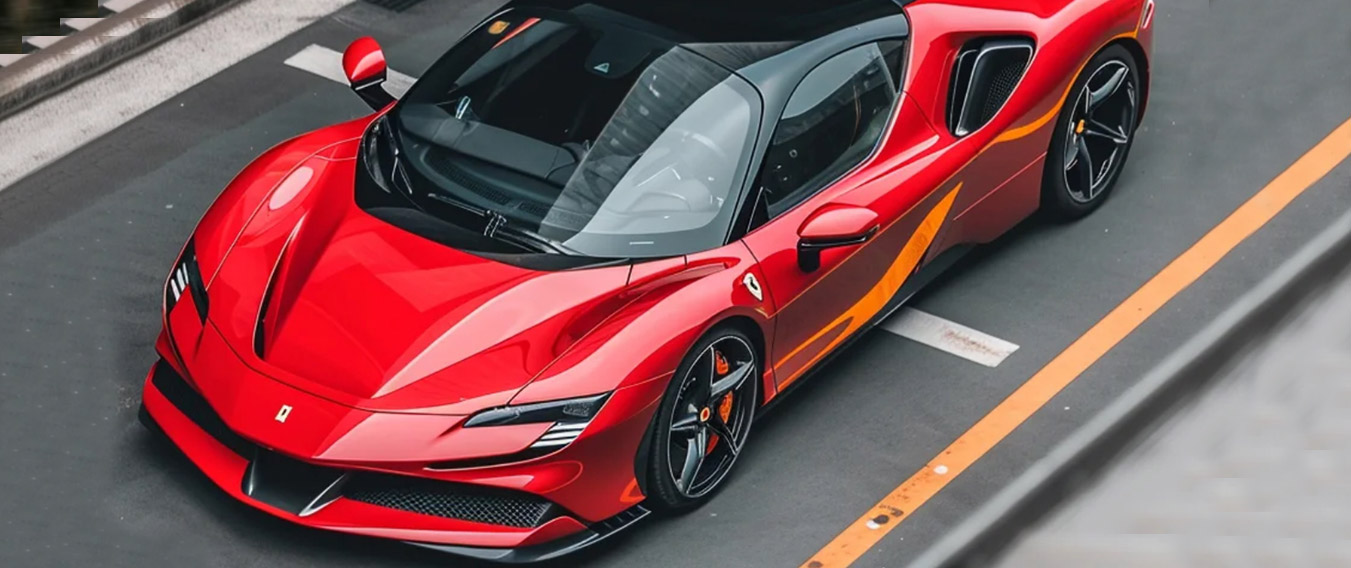
The decision to wrap rather than respray comes down to a combination of your ownership plans, budget, aesthetic ambitions, and how you use the vehicle. Colour change wrapping delivers its greatest value proposition for owners of newer vehicles with sound factory paintwork who want to alter the car's appearance while preserving the original finish for resale purposes. It is equally compelling for drivers who want a matte, satin, or colour-shift finish that simply cannot be achieved through conventional paint at a comparable price point. Lease vehicle drivers benefit from the reversibility, being able to restore the car to its original colour at the end of the contract without penalty.
Conversely, a respray may be the better choice for vehicles with damaged or deteriorating original paint that need a fresh base regardless, for owners who plan to keep their vehicle for fifteen or more years without wanting to periodically rewrap, or for those who prefer the simplicity of standard paint maintenance. In either case, the quality of the professional you entrust with the work — whether installer or paint shop — will have more impact on the final result than the choice of medium itself. Invest time in finding a reputable, experienced specialist, and either route can deliver outstanding results that transform your vehicle's appearance for years to come.

-

Building 1, Building 3, No.68 Kangyuan Road, Qingpu District, Shanghai, China
-

-
-

+86-17621250420
Copyright © Shanghai Astrace New Material Technology Co., Ltd. All Rights Reserved. Car Modification Smart Glass Film Supplier
