
 English
 русский
 Español
 عربى
عربى
Window Tinting Film & Smart Glass Car Film Buyer's Guide
Content
Window Tinting Film: What It Is and Why It Matters
Window tinting film is a thin, multi-layer polymer applied to the interior or exterior surface of automotive glass to control light transmission, heat, and UV radiation entering the vehicle cabin. What was once considered a purely cosmetic upgrade has evolved into a technically sophisticated product category with measurable performance benefits — heat rejection, glare reduction, UV protection, and in the case of advanced films, privacy and shatter resistance.
The core performance metric for any window tint is Visible Light Transmission (VLT) — the percentage of visible light the film allows to pass through. A 5% VLT film (often called "limo tint") blocks 95% of visible light, providing near-complete privacy. A 70% VLT film is nearly clear and is primarily used on windshields where legal minimums and safety visibility are paramount. Most jurisdictions set legal VLT minimums for side and rear windows separately from the windshield, and these limits vary significantly by region — verifying local regulations before film selection is a non-negotiable first step.
VLT alone does not capture the full performance picture. Total Solar Energy Rejection (TSER) is the more comprehensive metric, measuring what percentage of the sun's total energy — including infrared and UV in addition to visible light — is rejected by the film. A film with excellent TSER but high VLT can keep the cabin significantly cooler than a dark film with poor infrared rejection, which is why premium films often outperform darker economy options on thermal comfort despite appearing lighter.
Types of Car Film: A Comparison Across Technologies
The car film market spans several distinct technology tiers, each with a different balance of performance, durability, appearance, and price. Understanding the differences prevents the common mistake of selecting a film by darkness level alone.
Dyed Film
The entry-level option. Dyed film absorbs solar energy rather than reflecting it, which means the film itself heats up — transferring some of that heat back into the cabin over time. Heat rejection performance is modest compared to higher-tier options. Dyed films are prone to color fading and purple discoloration within a few years of UV exposure, and they offer no signal interference mitigation for GPS, cellular, or TPMS systems. Best suited for applications where privacy and glare reduction are the primary goals and budget is the primary constraint.
Metalized Film
Metalized film embeds microscopic metallic particles within the film layers to reflect solar energy rather than absorb it. Heat rejection is significantly better than dyed film, and the metallic layer adds scratch resistance and structural rigidity that strengthens glass against shattering. The drawback is well-documented: metallic films can interfere with radio, GPS, cellular, and toll-reader signals because the metal layer partially blocks electromagnetic frequencies. This makes them a poor fit for modern vehicles with embedded antenna systems in the glass.
Carbon Film
Carbon film replaces metal particles with carbon-based materials, delivering strong infrared rejection without the signal interference of metallic films. It resists fading more effectively than dyed film and produces a flat, matte appearance that many installers and vehicle owners consider more premium than the slight sheen of metallic options. Carbon film offers a well-rounded performance profile at a mid-tier price point and is widely considered the best balance of performance and value for daily-driven vehicles.
Ceramic Film
Ceramic film represents the current performance pinnacle of passive window tinting. It uses non-metallic, non-conductive ceramic nanoparticles to achieve superior infrared rejection — typically 50–60% TSER or higher — while transmitting visible light with excellent clarity and causing zero signal interference. Ceramic films are highly stable against UV degradation, maintaining their performance and appearance over a lifespan of 10 or more years with a manufacturer warranty to match. The premium price is the primary barrier; ceramic film installations typically cost two to three times more than dyed or carbon alternatives.
| Film Type | Heat Rejection | Signal Interference | Fade Resistance | Relative Cost |
|---|---|---|---|---|
| Dyed | Low | None | Poor | $ |
| Metalized | Moderate–High | Significant | Good | $$ |
| Carbon | High | None | Very Good | $$ |
| Ceramic | Very High | None | Excellent | $$$$ |
| Smart Glass Film | Variable (switchable) | None | Excellent | $$$$$ |
Car Modification Smart Glass Film: The Switchable Privacy Technology
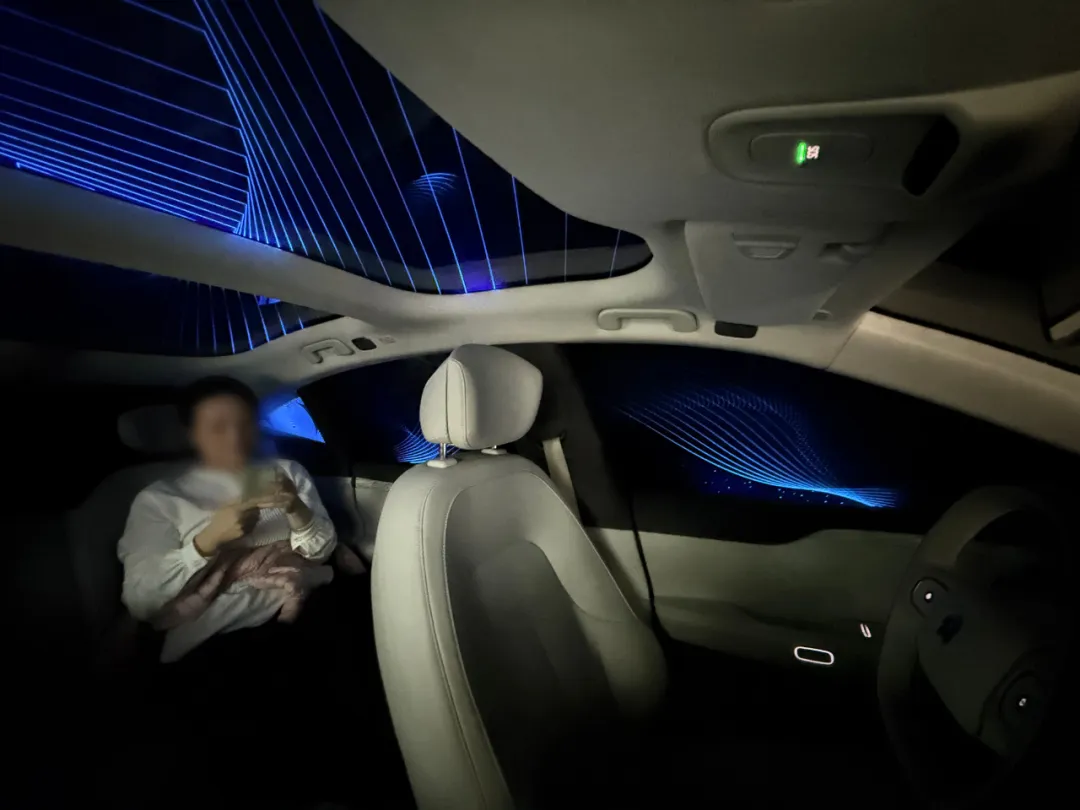
Car modification smart glass film — also referred to as switchable film, PDLC film (Polymer Dispersed Liquid Crystal), or electrochromic film — is an active technology that fundamentally changes how automotive privacy and light control are managed. Unlike passive films that maintain a fixed VLT at all times, smart glass film transitions between transparent and opaque (or frosted) states on demand, controlled by a low-voltage electrical signal typically delivered through a simple switch, app, or automated trigger.
The mechanism behind PDLC smart film is elegant: in its default unpowered state, liquid crystal molecules within the film are randomly oriented, scattering light and producing a milky, frosted appearance that blocks visibility from outside while still transmitting diffused light into the cabin. When voltage is applied — typically 60–110V AC at very low amperage — the liquid crystals align uniformly, allowing light to pass through with full clarity. Switching between states takes less than a second.
Primary Applications in Vehicle Modification
- Rear side and rear windows: The most common retrofit application. Smart film on rear passenger windows provides on-demand privacy without permanently dark glass, allowing full visibility when desired and complete privacy at the press of a switch.
- Sunroof and panoramic roof panels: Switchable film on glass roof panels eliminates the need for mechanical sunshades, replacing them with instant electrochromic control that can be fully opaque, fully transparent, or in intermediate dimming states depending on the film controller used.
- Van and commercial vehicle partitions: Privacy partitions between cargo areas and passenger compartments benefit from switchable film, providing configurable separation without permanent visual barriers.
- Limousine and executive vehicle applications: Smart film on division windows between passenger and driver compartments offers seamless, premium-feel privacy control with no mechanical components to service or fail.
Installation Considerations for Smart Film Retrofits
Unlike passive tint film, smart glass film requires an electrical connection to function. A retrofit installation involves routing low-voltage wiring from the film's bus bars to a controller and power supply, which must be sourced from the vehicle's 12V system and stepped up to the operating voltage required by the film. The wiring routing, controller placement, and power draw (typically 5–8 watts per square foot at full operation) must be planned in advance. Self-adhesive smart film applied directly to existing glass is the standard retrofit format — the film bonds to the glass surface and connects electrically through copper bus bar tape adhered along the film edges.
Smart film in its opaque state does not provide the same level of solar heat rejection as a high-performance ceramic tint in its dark state, since the frosted appearance scatters rather than blocks infrared. For applications where both switchable privacy and maximum heat rejection are priorities, some installations combine smart film with a light ceramic overlaminate — achieving dynamic privacy control without sacrificing the thermal performance of a dedicated heat-rejection film.
What to Look for When Selecting a Window Tinting Film
With a wide range of products at every price point, evaluating window tinting film on specification rather than marketing language produces better outcomes. The following criteria provide an objective framework for comparison:
- UV rejection rate: Quality films across all technology tiers should reject at least 99% of UV-A and UV-B radiation. UV protection does not require a dark film — clear ceramic films achieve the same UV blocking as dark dyed films. This metric is particularly important for protecting interior materials from fading and for skin health during long drives.
- Infrared rejection: Specified separately from VLT, infrared rejection directly determines how much thermal energy the film blocks. Look for films that publish infrared rejection at the specific wavelength range of 900–1000nm, where solar heat load is highest.
- Warranty terms: Manufacturer warranties for automotive film range from 1 year on entry-level products to lifetime coverage on premium ceramic lines. Warranty coverage should explicitly address bubbling, peeling, delamination, color change, and metallic corrosion where applicable.
- Adhesive system: Pressure-sensitive acrylic adhesive is the standard for automotive film. Solvent-based adhesives are harder to remove cleanly and more prone to adhesive transfer onto glass during removal. Confirming adhesive type matters most for leased vehicles where factory glass condition must be preserved.
- Installer certification: Film performance in real-world installations is heavily dependent on installation quality. Selecting a film brand that maintains an authorized installer network with documented training standards protects both the warranty and the finished result.

-

Building 1, Building 3, No.68 Kangyuan Road, Qingpu District, Shanghai, China
-

-
-

+86-17621250420
Copyright © Shanghai Astrace New Material Technology Co., Ltd. All Rights Reserved. Car Modification Smart Glass Film Supplier
