 English
 русский
 Español
 عربى
عربى
What Is Starlight Ceiling Film and How It Transforms Vehicle Glass Aesthetics
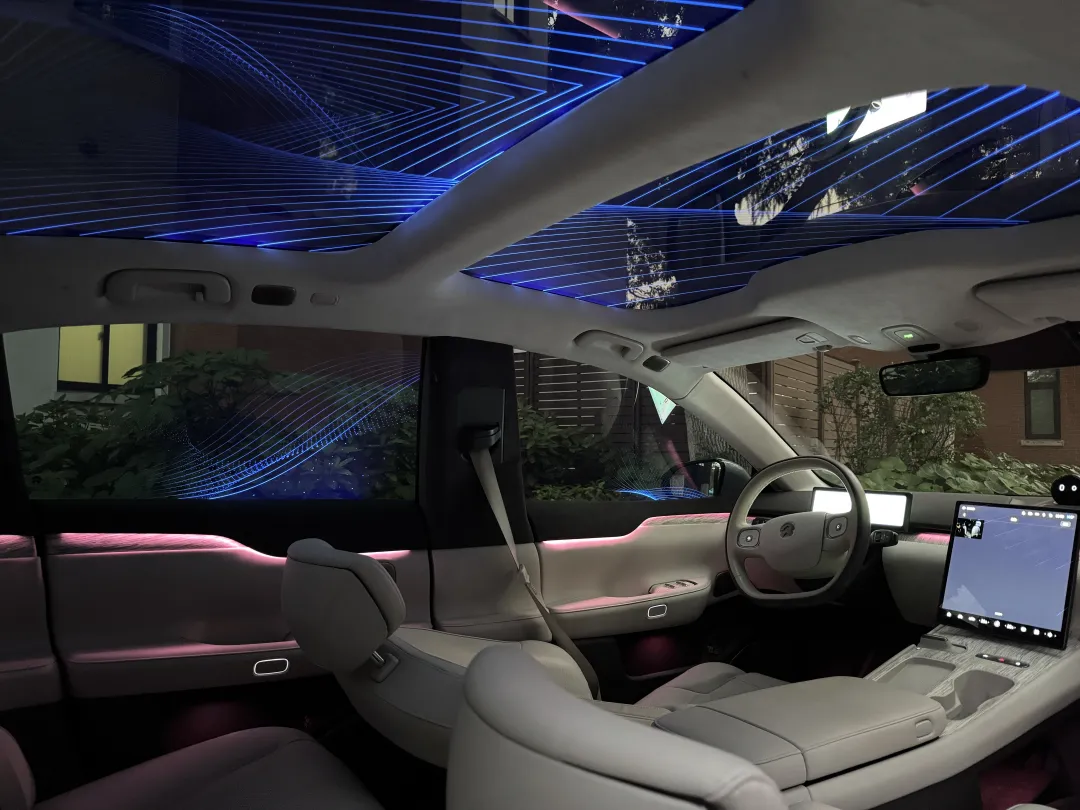
Starlight ceiling film is a thin, optically engineered film applied to vehicle glass—most commonly panoramic roofs, sunroofs or headliner windows—to create a controllable starry-sky or diffuse point-light effect without bulky hardware. Unlike fiber-optic or embedded LED solutions, the film achieves the visual result through micro-structured surface textures, light-scattering layers and optional integration with low-profile light sources or intelligent display films. This article explains what starlight ceiling film is, how it works in automotive glazing contexts, practical installation and integration considerations, performance and durability factors, and guidance for specifiers and aftermarket installers.
Content
- 1 What starlight ceiling film is — composition and optical principles
- 2 How starlight ceiling film is applied to vehicle glass and installation variants
- 3 Integration with vehicle lighting and intelligent film systems
- 4 Aesthetic and functional benefits for vehicle interiors
- 5 Performance, durability and environmental considerations
- 6 Comparison with alternative starry-sky approaches
- 7 Selection checklist for specifiers and aftermarket installers
- 8 Concluding practical recommendations
What starlight ceiling film is — composition and optical principles
At its core, starlight ceiling film combines a multilayer polymer construction with micro-optical patterning to scatter or transmit light as controlled points. Typical constructions include a transparent carrier, a micro-embossed scattering layer, a reflective back layer (for interior-mounted installations) and a protective outer coating. The micro-patterns are designed to create discrete bright points when illuminated from an edge or rear-mounted light source, or to scatter ambient daylight into a subtle shimmering effect when unlit.
Key optical elements and how they create the starlight effect
Micro-lenses, prismatic arrays, and controlled diffuser islands in the film transform incident light into visible points. When used with a dedicated low-profile light strip (typically mounted along the glass perimeter), controlled-angle emission from the strip couples into the film and exits at predefined micro-structures, producing bright, point-like highlights. Without active illumination, the same micro-structures soften transmitted sunlight into a starry or pearlescent appearance.
How starlight ceiling film is applied to vehicle glass and installation variants
Application methods depend on whether the film is installed on the interior surface of the glass, laminated within a multi-layer glazed unit, or applied to a headliner panel. Interior-surface retrofit installations are the most common for aftermarket upgrades: adhesive-backed film is laminated to the inside face of the glass using vehicle-safe adhesives. Factory integration often laminates the film between glass layers during manufacture, offering superior long-term stability and environmental resistance.
Retrofit versus factory-laminated installation: practical trade-offs
Retrofit installation advantages include lower cost, faster lead times and easier reversibility; drawbacks include potential edge-seal challenges, sensitivity to cleaning solutions, and lower resistance to moisture ingress. Factory-laminated solutions offer superior adhesion, complete encapsulation against moisture, and better integration with glazing tints and adhesives, but require tooling, certification and longer lead times.
Integration with vehicle lighting and intelligent film systems
Starlight film is often paired with low-profile LED strips, edge-light panels, or with intelligent transparent display films (like Astrace’s electronic mapping transparent display film) to enable dynamic effects. Integration options range from static white star fields to programmable color and dimming sequences controlled by the vehicle CAN bus or a dedicated controller. When combined with smart films, the starlight layer can be selectively activated, synchronized with interior mood lighting, or used as a passive aesthetic overlay on top of display content.
Control schemes and power considerations
Low-voltage LED controllers (12 V) with PWM dimming provide smooth intensity control and low power draw. When integrating with intelligent films that require digital control, ensure voltage compatibility and electromagnetic compatibility (EMC) testing to prevent interference with vehicle electronics. For battery-sensitive EV designs, prioritize highly efficient LEDs and dimming strategies that minimize idle consumption.
Aesthetic and functional benefits for vehicle interiors
Starlight ceiling film elevates interior perception by adding depth, perceived luxury and customizable atmosphere without heavy components. Benefits include minimal impact on headroom, the ability to maintain glass transparency when unlit, and easier integration with panoramic roofs compared with rigid lighting fixtures. For premium vehicle segments, these films contribute to emotional design differentiation and can be specified as part of custom interior packages.
Use cases and design patterns
- Full-field star patterns for luxury SUVs and limousines where a dramatic night-mode is desired.
- Subtle distributed shimmer for premium sedans to enhance perceived material quality during daylight.
- Localized accent zones over rear-passenger areas for personalized lighting scenes.
Performance, durability and environmental considerations
Automotive glazing faces thermal cycles, UV exposure, moisture, ozone and mechanical abrasion. Films intended for automotive starlight applications must be UV-stable, thermally resistant to temperature gradients found in sun-exposed glass, and compatible with automotive-grade adhesives and sealants. Factory-laminated films generally outperform retrofit adhesives in long-term yellowing resistance and edge integrity.
Maintenance, cleaning and warranty expectations
For interior-mounted retrofit films, cleaning should use manufacturer-approved, non-abrasive agents and soft microfiber cloths. Avoid ammonia-based cleaners that can degrade adhesives or coatings. Manufacturers commonly offer limited warranties that cover delamination or discoloration for specified periods; verify terms for UV exposure, temperature ranges and approved cleaning regimens.
Comparison with alternative starry-sky approaches
Designers may consider fiber-optic headliners, embedded LED arrays, or starlight films. Each approach has trade-offs in terms of headroom, integration complexity, energy use, and maintenance. Films provide a compelling balance of minimal intrusion and high aesthetic flexibility.
| Solution | Headroom Impact | Visual Flexibility | Service Complexity |
| Starlight Ceiling Film (laminated) | Minimal | High (pattern + control) | Low–Medium |
| Fiber-Optic Headliner | Moderate | Medium | High |
| Embedded LED Arrays | High (thicker panels) | High (programmable) | Medium–High |
Selection checklist for specifiers and aftermarket installers
- Confirm whether factory lamination is required or retrofit is acceptable for the target vehicle model.
- Verify UV and thermal stability data, including accelerated aging results from the supplier.
- Ensure electrical and EMC compatibility when integrating active lighting or intelligent films.
- Check cleaning and warranty terms, and obtain approved cleaning agents for customer handover.
Concluding practical recommendations
Starlight ceiling film offers a lightweight, high-impact aesthetic option for modern vehicles, delivering starry or pearlescent ceiling effects with minimal intrusion into cabin packaging. For automotive OEMs, factory-laminated solutions deliver the best longevity and integration with intelligent glass systems like Astrace’s display films. For aftermarket upgrades, choose premium films designed for automotive thermal and UV loads, pair them with efficient low-profile lighting, and follow certified installation processes to ensure long-term performance and warranty compliance.

-

Building 1, Building 3, No.68 Kangyuan Road, Qingpu District, Shanghai, China
-

-
-

+86-17621250420
Copyright © Shanghai Astrace New Material Technology Co., Ltd. All Rights Reserved. Car Modification Smart Glass Film Supplier
