
 English
 русский
 Español
 عربى
عربى
The Awakening of Car Windows: Astrace OMTD Optoelectronic Film Opens the “Fourth Act” of Automotive Aesthetics

I. The Revolution of Light and Shadow: From Decorative Illumination to Spatial Reconstruction
Modern automotive lighting design has moved beyond functional boundaries, evolving toward scenarized and emotional expression.
Mercedes-Benz’s Digital Meteor Headlights can project warning patterns onto the road; Rolls-Royce’s Starlight Headliner weaves a galaxy with 1,340 optical fibers; and Zeekr X’s Ice Block ambient lighting brings the Northern Lights into the cabin. These innovations reveal a clear trend: lighting is reshaping the way humans interact with vehicles. Designers have been exploring every possible surface that can carry light aesthetics—interior panels, fabric ceilings, displays, even the road as a projection screen. Yet, one physical barrier has remained unbroken—the glass medium.
In this era where everything can emit light, glass, which makes up 30% of a car’s surface area, has long been a “silent zone” for designers—until Shanghai Astrace’s OMTD Optoelectronic Film tore open the seal of traditional glass aesthetics.
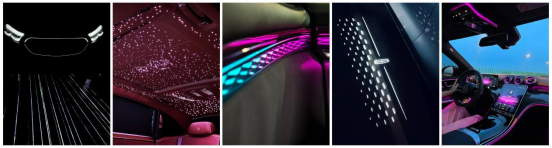
(1. Mercedes-Benz Digital Meteor Headlights 2. Rolls-Royce Starlight Headliner 3. Ice Crystal Ambient Lighting 4. Welcome Light 5. Mercedes-Benz Ambient Lighting)
II. The Multiple Dilemmas of Glass Aesthetics
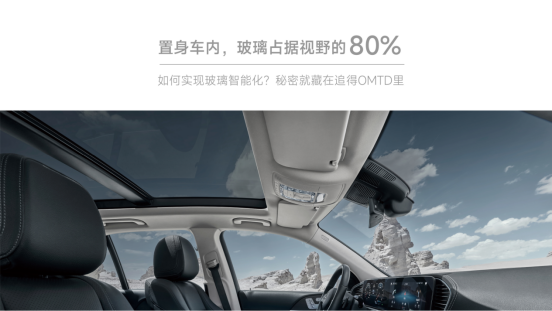
Glass, by blocking space but not sight, has become increasingly prevalent in vehicle design, bringing openness and transparency to interiors. Any enhancement or innovation in automotive glass must first meet core functional demands—clarity, high transparency, low haze, sun protection, heat insulation, privacy, and safety. Only after fulfilling these can designers consider aesthetic enhancements, which makes the evolution of “glass aesthetics” a difficult challenge.
However, as the automotive industry progresses, consumer demand has shifted from functionality to emotional and aesthetic experience. Inevitably, “glass aesthetics” has become an essential topic in interior and exterior design discussions.
III. Astrace OMTD: The Boundary Breaker that Teaches Glass to “Breathe”
What if glass could shimmer with light, breathing and pulsing in sync with the heartbeat of the car itself? Would this fulfill the long-held imagination of “automotive glass aesthetics”?
After seven years of research and development, Shanghai Astrace has achieved a breakthrough with its proprietary OMTD (Optoelectronic Mapping Transparent Display) technology. Using a flexible optical film as the carrier, it allows photolithographic patterns to remain fully transparent when off and to display dynamic visuals in multiple modes when activated.
This ultra-thin nanometric optoelectronic film, only 0.3mm thick, redefines material possibilities in automotive design. It achieves over 70% visible light transmittance and a haze level below 2%, making the display appear as if it floats in mid-air.
Even more remarkable, while maintaining transparency, it achieves 45%–61% total solar energy rejection and 99.9% UV blocking—equivalent to a sun protection factor exceeding SPF 200+.
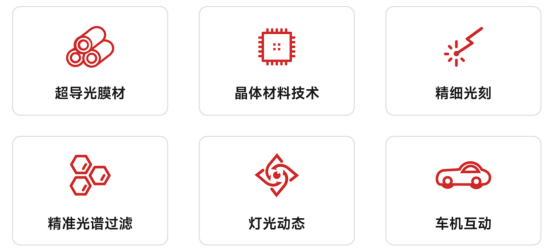
(OMTD technology is based on cutting-edge advancements across multiple fields)
IV. Infinite Possibilities for the Window of the Future
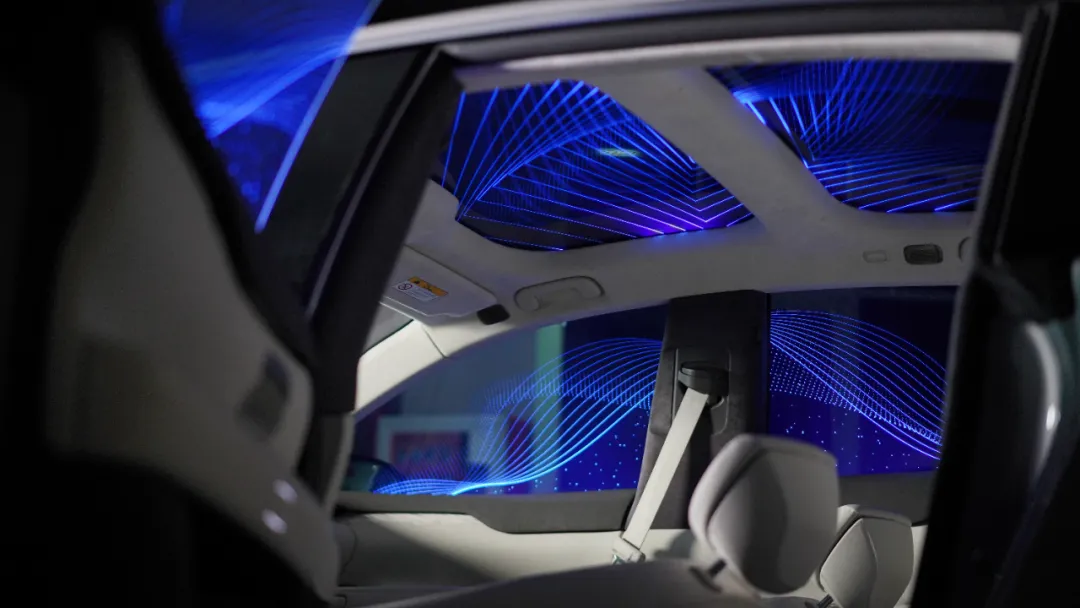
With Astrace’s breakthrough OMTD technology, the design potential of automotive glass has expanded dramatically. The traditional symbol of luxury and romance—the “starlight ceiling”—has, for the first time, transcended into the new era dominated by panoramic glass roofs.
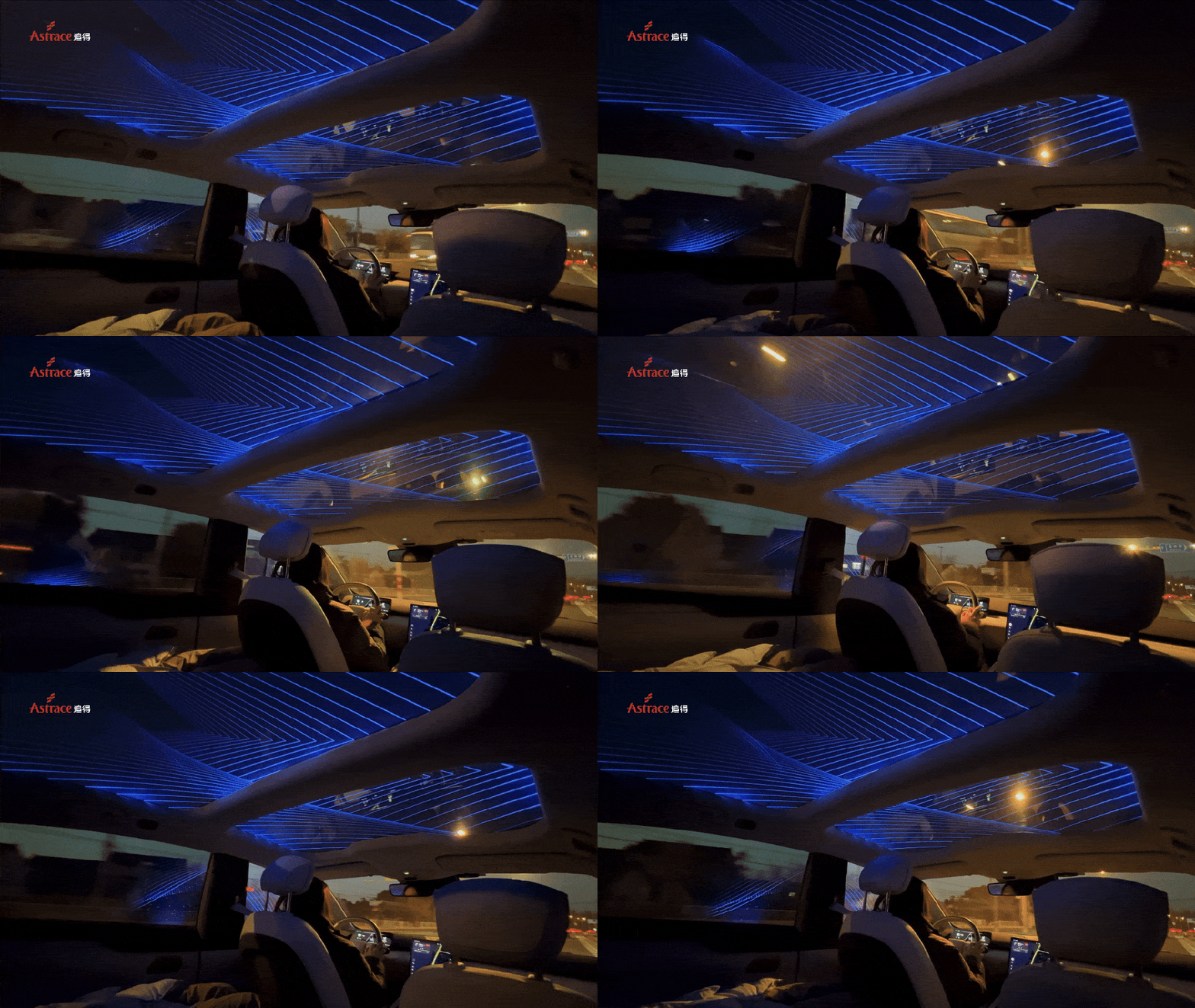
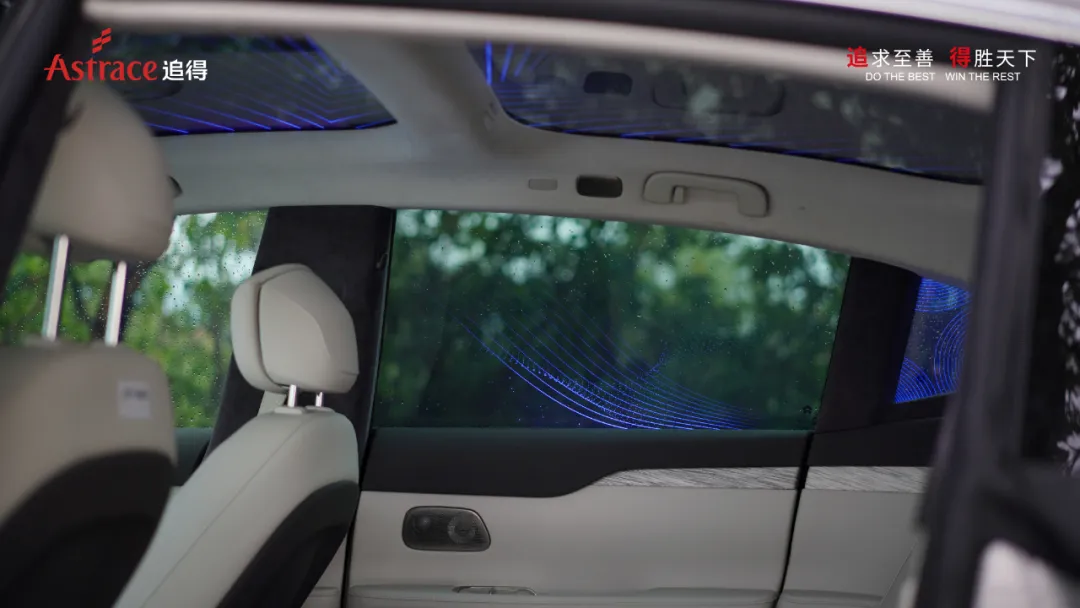
(Transparent panoramic sunroof × starlight ceiling effect)
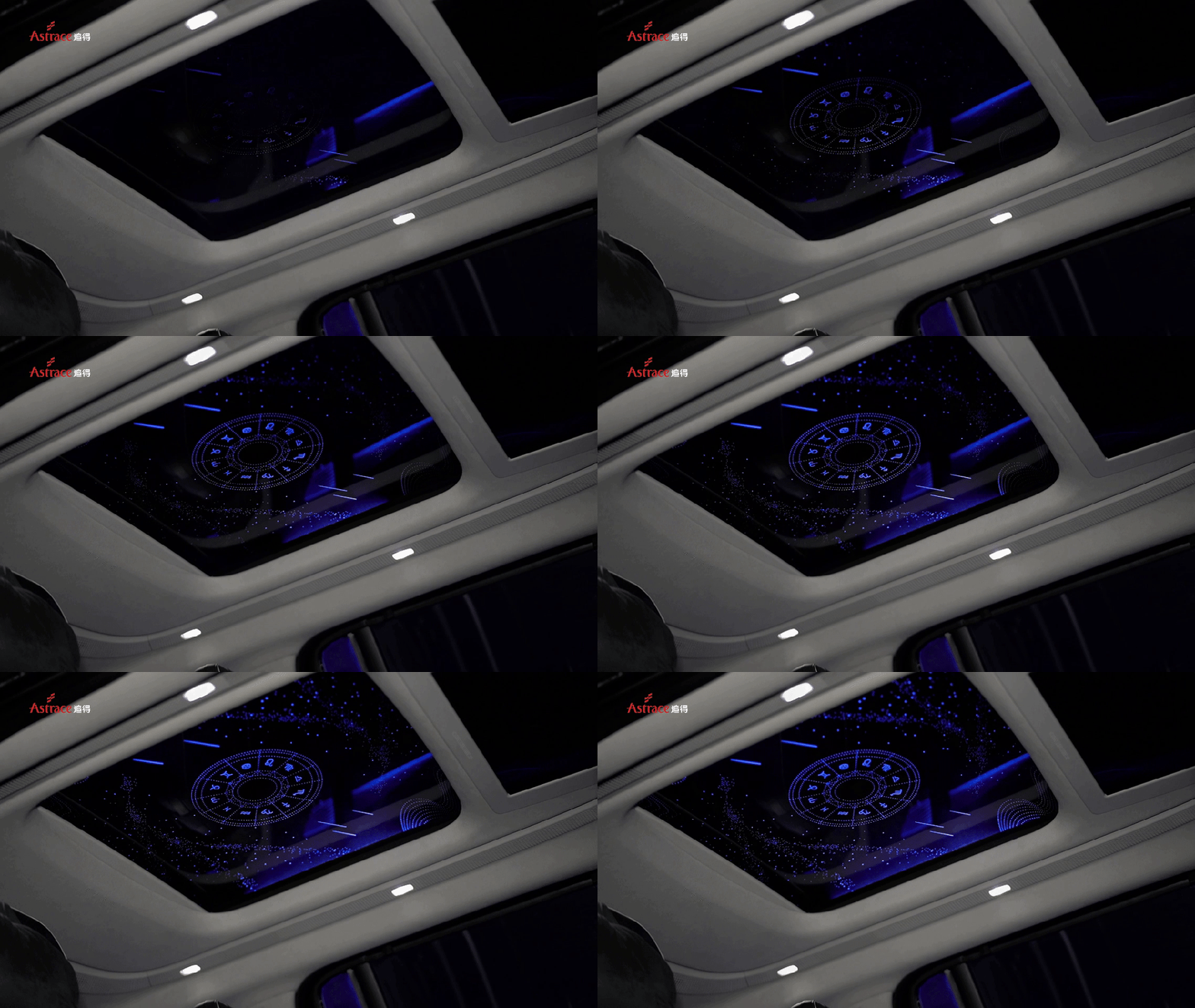
(Transparent panoramic sunroof × starlight ceiling effect)
With this advancement, designers no longer need to leave the side window area untouched. This once-blank canvas can now serve as a new medium for expressing brand identity and extending the vehicle’s aesthetic language.
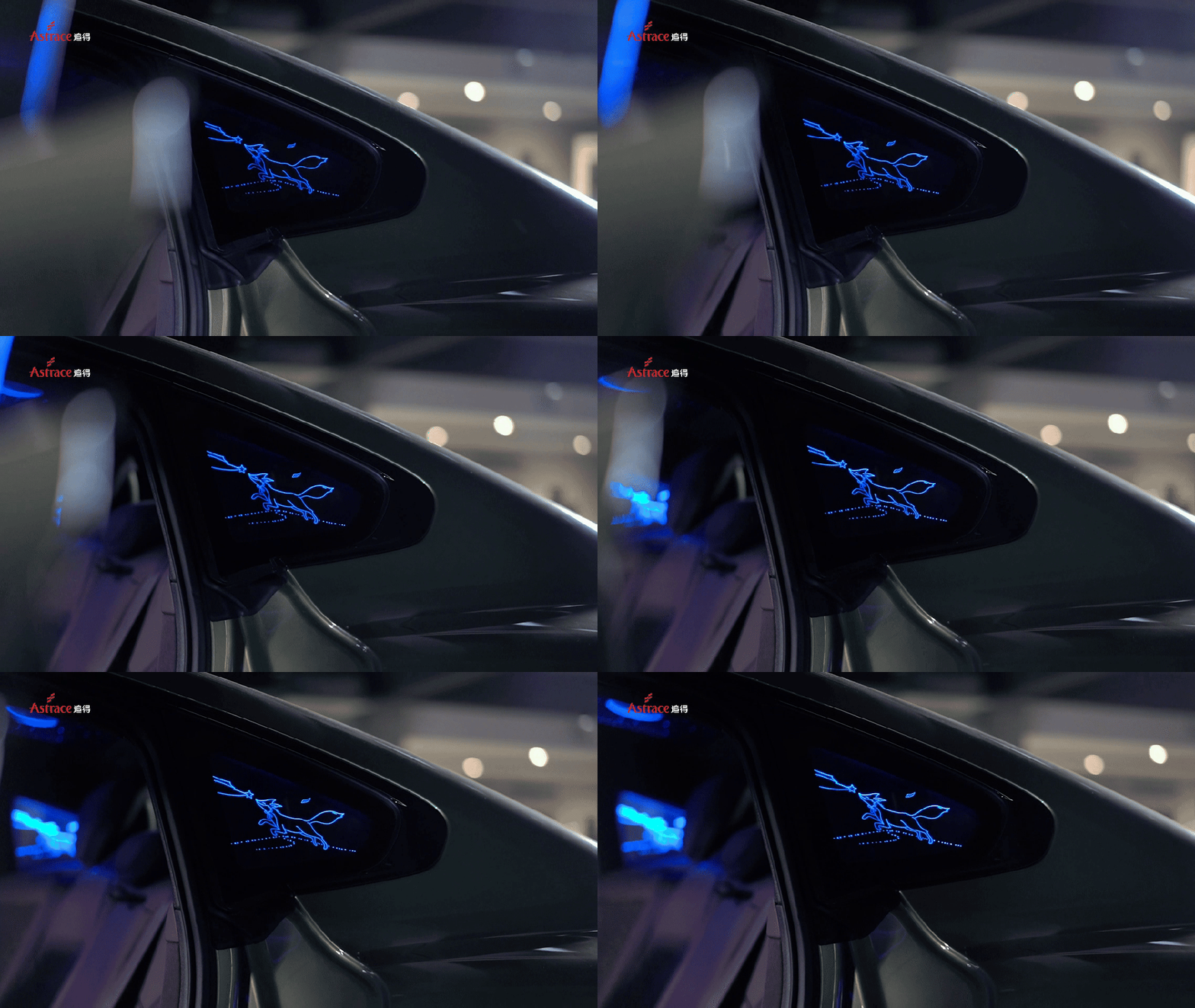
(Triangular window effect)
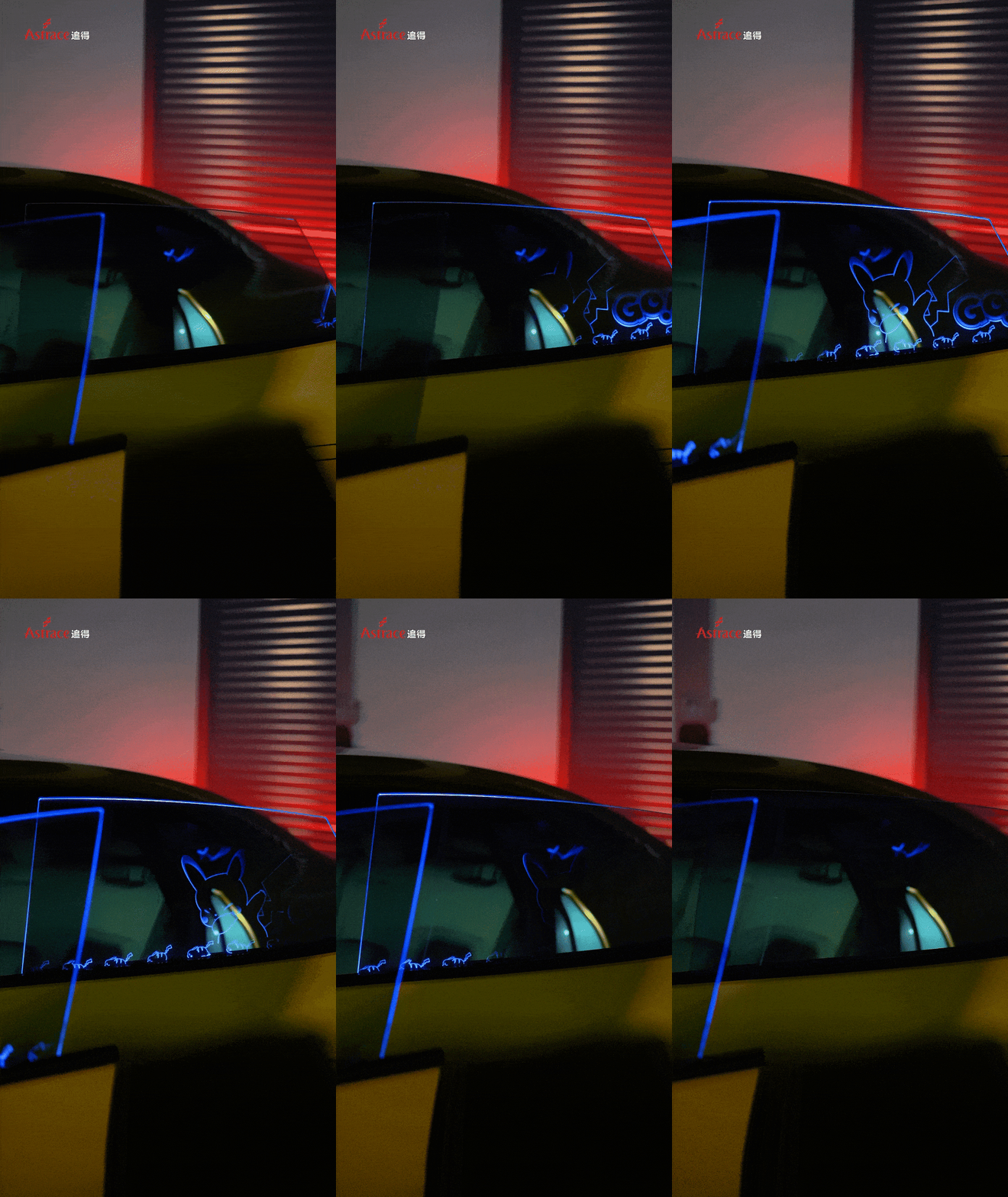
(Side window effect)
As vehicles move toward full intelligence, Astrace’s OMTD technology empowers smart cabins, enabling the onboard system to use glass as an interactive interface. It can display charging status, unlock notifications, driving modes, music rhythms, and autonomous driving cues—redefining both interior and exterior interaction experiences.
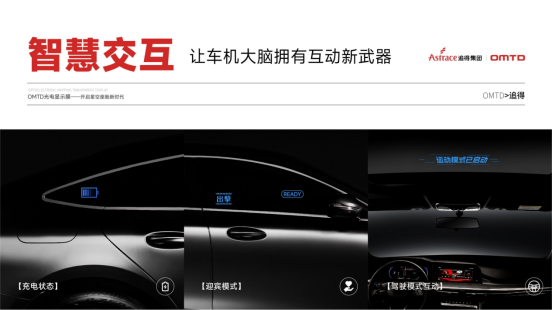
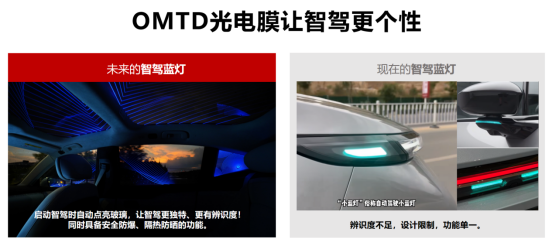
In today’s evolution of vehicles into “third living spaces,” Shanghai Astrace’s OMTD Optoelectronic Film not only breaks through material limitations but also reshapes the dimension of human–vehicle interaction. When every inch of glass becomes a canvas of light and shadow, automotive design will enter a true renaissance. Perhaps in the near future, our cars will move with the grace of living spirits, turning every journey into an artistic passage through light.

-

Building 1, Building 3, No.68 Kangyuan Road, Qingpu District, Shanghai, China
-

-
-

+86-17621250420
Copyright © Shanghai Astrace New Material Technology Co., Ltd. All Rights Reserved. Car Modification Smart Glass Film Supplier
