
 English
 русский
 Español
 عربى
عربى
What Can Optoelectronic Mapping Transparent Display Do for Your Vehicle?
Content
- 1 What Optoelectronic Mapping Transparent Display Technology Actually Does
- 2 Core Technical Specifications of the 3.0 OMTD Skylight
- 3 Protective Performance Built Into the Glass
- 4 Specification Summary at a Glance
- 5 Practical Applications for Vehicle Windows and Sunroofs
- 6 Installation Considerations and Intelligent Control
- 7 Why This Technology Matters for the Future of Automotive Glass
What Optoelectronic Mapping Transparent Display Technology Actually Does
Optoelectronic Mapping Transparent Display, commonly referred to as OMTD, represents a fusion of lithography and liquid crystal technology designed to turn ordinary glass surfaces into intelligent display panels. During daylight hours, the glass appears completely normal and transparent, maintaining full visibility and the clean aesthetic expected from standard automotive glazing. Once activated at night or in low-light conditions, the same surface becomes a dynamic canvas capable of projecting patterns, logos, or animated visuals directly onto the glass itself.
This dual functionality is achieved by embedding a precision-mapped optoelectronic layer within the glass structure, which interacts with liquid crystal elements to control light transmission at a microscopic level. The lithography process allows extremely fine control over how light is directed and displayed, enabling sharp imagery without compromising the glass's core function as a window or sunroof.
Core Technical Specifications of the 3.0 OMTD Skylight
The third-generation OMTD Skylight brings a defined set of performance characteristics that balance visual display capability with the practical requirements of automotive glass. Understanding these specifications helps clarify how the product performs across different real-world driving conditions.
Light Transmittance and Visual Clarity
With 60% visible light transmittance, the panel maintains sufficient daytime brightness inside the cabin while still supporting the display functionality needed for nighttime use. This transmittance level is calibrated to avoid the excessive tinting that can make a vehicle interior feel dim, while still providing enough contrast control for clear image projection after dark.
Picture Effect and Display Quality
The 2.5D picture effect gives displayed content a subtle sense of depth rather than appearing completely flat against the glass surface. This visual characteristic helps logos, patterns, or ambient lighting effects appear more dynamic and engaging compared to a simple flat projection.
Protective Performance Built Into the Glass
Beyond its display capabilities, the OMTD Skylight is engineered to deliver meaningful protective benefits that matter for everyday vehicle ownership.
UV Filtering Capability
With less than 1% UV transmittance, the panel provides strong protection against ultraviolet exposure inside the cabin. This helps reduce sun damage to interior materials such as upholstery and dashboard surfaces, while also limiting UV exposure for vehicle occupants during extended driving periods.
Solar Heat Blocking
A 45% total solar blocking rate helps reduce heat buildup inside the vehicle cabin, particularly relevant for sunroof applications where direct overhead sun exposure can significantly raise interior temperatures. This can contribute to a more comfortable cabin environment and potentially reduce strain on the air conditioning system during hot weather.
Temperature Resistance Range
The panel is rated to withstand temperatures ranging from -45℃ to 105℃, a range designed to accommodate the extreme conditions a vehicle roof or window may face, from frigid winter climates to the intense heat that can build up on a parked car's glass surface under direct sunlight.
Specification Summary at a Glance
The table below consolidates the key performance figures for the 3.0 OMTD Skylight for quick reference.
| Specification | Performance Value |
| Visible Light Transmittance | 60% |
| Picture Effect | 2.5D dynamic display |
| UV Transmittance | Less than 1% |
| Total Solar Blocking Rate | 45% |
| Temperature Resistance | -45℃ to 105℃ |
| Installation Method | Non-destructive construction |
Practical Applications for Vehicle Windows and Sunroofs
The versatility of OMTD technology opens up a range of practical uses that extend beyond simple aesthetic enhancement.
- Displaying brand logos or custom patterns on rear windows or sunroofs to create a distinctive visual identity for the vehicle.
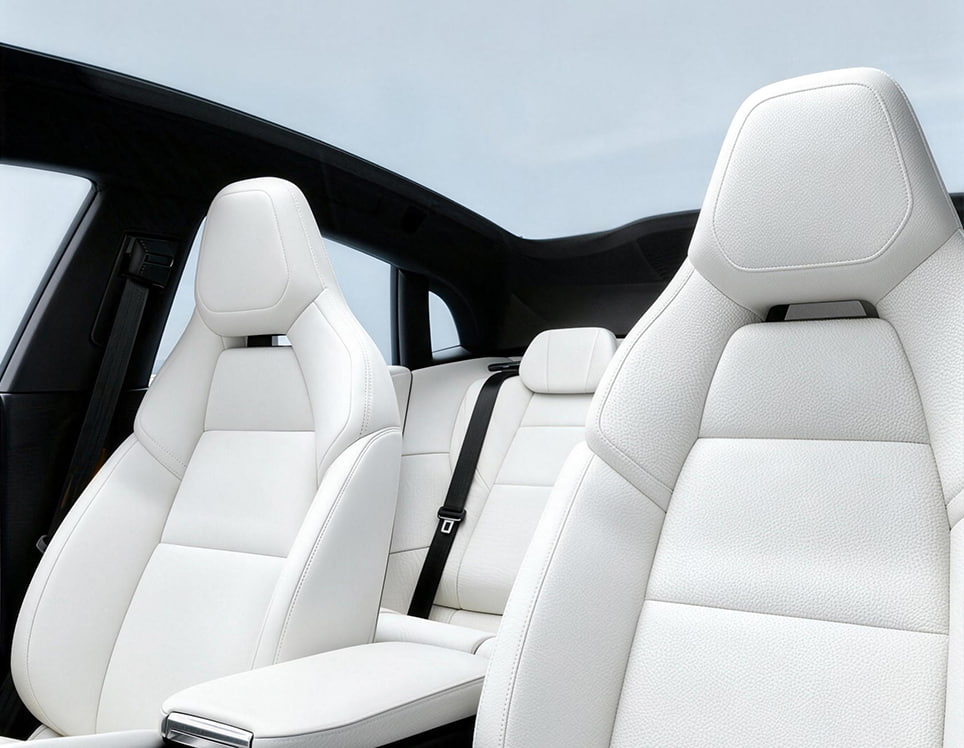
- Projecting ambient visuals such as starry sky effects onto the sunroof panel, adding an immersive interior experience during nighttime drives or parked moments.
- Supporting promotional or event-based vehicle branding, where dynamic imagery can be displayed on parked vehicles at exhibitions or showcases.
- Enhancing overall cabin ambiance without requiring permanent modifications, since the display remains invisible and non-intrusive during daytime operation.
Installation Considerations and Intelligent Control
One of the practical advantages of the OMTD Skylight is its non-destructive construction and installation process, which means the panel can be integrated without requiring permanent structural changes to the vehicle's existing glass framework. This approach reduces installation complexity and helps preserve the vehicle's original structural integrity throughout the fitting process.
The intelligent control system governing the display allows users to manage when and how visual content appears, giving drivers or vehicle owners control over activation timing and display selection. This level of control ensures the transparent display functions as intended, remaining unobtrusive during daytime use while activating reliably when desired for nighttime display purposes.
Why This Technology Matters for the Future of Automotive Glass
By combining functional glass performance with an entirely new visual dimension, OMTD technology shifts the role of automotive glazing from a purely structural element to an interactive surface capable of expression and branding. This represents a meaningful step in how vehicle manufacturers and owners can think about personalization and interior experience, moving beyond traditional lighting or trim customization into a space where the glass itself becomes part of the vehicle's identity, without sacrificing the protective and optical performance that drivers depend on every day.

-

Building 1, Building 3, No.68 Kangyuan Road, Qingpu District, Shanghai, China
-

-
-

+86-17621250420
Copyright © Shanghai Astrace New Material Technology Co., Ltd. All Rights Reserved. Car Modification Smart Glass Film Supplier
