
 English
 русский
 Español
 عربى
عربى
Car Roof Insulation Film for Vehicle Heat Reduction and Comfort
Content
- 1 What a Car Roof Insulation Film Is and How It Functions
- 2 Primary Benefits of Using Car Roof Insulation Film
- 3 Material Structure and Insulation Mechanism
- 4 Installation Location and Compatibility Considerations
- 5 Comparison With Other Vehicle Heat Control Solutions
- 6 Suitable Vehicle Types and Usage Scenarios
- 7 Durability and Long-Term Performance Factors
- 8 Maintenance and Inspection Considerations
What a Car Roof Insulation Film Is and How It Functions
A car roof insulation film is a functional material applied to the interior side of a vehicle roof to reduce heat transfer, manage cabin temperature, and improve overall driving comfort. It acts as a thermal barrier between the vehicle exterior and interior, limiting the amount of radiant and conducted heat entering the cabin through the roof panel.
Unlike decorative films or exterior coatings, car roof insulation film is designed specifically for insulation performance. It is commonly installed beneath headliners or integrated into roof assemblies during aftermarket upgrades or vehicle refurbishment.
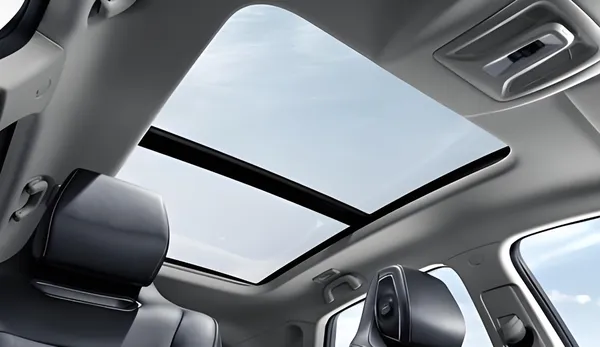
Primary Benefits of Using Car Roof Insulation Film
The roof area is one of the most exposed surfaces of a vehicle, making it a significant source of heat gain. Applying a car roof insulation film directly addresses this issue by improving thermal resistance and stabilizing interior conditions.
- Reduces heat penetration from direct sunlight
- Helps maintain more consistent cabin temperatures
- Supports more efficient air conditioning operation
- Improves comfort for passengers during hot weather
These benefits are particularly noticeable in regions with strong solar exposure or in vehicles with large roof surface areas.
Material Structure and Insulation Mechanism
A car roof insulation film typically consists of multiple functional layers, each contributing to thermal performance. The combination of reflective and insulating layers helps manage different forms of heat transfer.
Reflective Layer Performance
The reflective surface is designed to reflect radiant heat away from the cabin. By reducing heat absorption at the roof level, the film limits temperature buildup inside the vehicle.
Insulating Core Layer
The core layer provides resistance to conductive heat transfer. This layer slows down the movement of heat from the roof panel into the cabin air, improving thermal stability over time.
Installation Location and Compatibility Considerations
Car roof insulation film is usually installed on the inner side of the roof panel, between the metal structure and the headliner. Proper fitment ensures full surface coverage and consistent insulation performance.
Compatibility depends on vehicle roof design, headliner structure, and available installation space. Flexible film formats allow adaptation to curved surfaces and complex roof contours.
Comparison With Other Vehicle Heat Control Solutions
| Solution Type | Primary Function | Application Area |
| Car Roof Insulation Film | Thermal insulation | Interior roof panel |
| Window Tint Film | Solar control | Glass surfaces |
| Sound Deadening Mat | Noise reduction | Doors and floors |
Suitable Vehicle Types and Usage Scenarios
Car roof insulation film is suitable for a wide range of vehicles, including passenger cars, commercial vans, recreational vehicles, and fleet transports. Vehicles that operate for extended periods under direct sunlight benefit most from roof-level insulation.
It is also commonly applied during vehicle interior refurbishment or when upgrading comfort features without modifying exterior appearance.
Durability and Long-Term Performance Factors
Long-term effectiveness of a car roof insulation film depends on material stability, adhesion quality, and resistance to temperature cycling. High-quality films maintain structural integrity and insulation performance over extended service periods.
Proper installation and secure bonding help prevent delamination, ensuring consistent thermal performance throughout the vehicle’s service life.
Maintenance and Inspection Considerations
Once installed, car roof insulation film generally requires minimal maintenance. Periodic inspection during headliner servicing can confirm that the film remains properly positioned and intact.
Maintaining clean and dry roof interiors supports long-term insulation efficiency and material durability.

-

Building 1, Building 3, No.68 Kangyuan Road, Qingpu District, Shanghai, China
-

-
-

+86-17621250420
Copyright © Shanghai Astrace New Material Technology Co., Ltd. All Rights Reserved. Car Modification Smart Glass Film Supplier
