
 English
 русский
 Español
 عربى
عربى
Automotive Paint Protection Film: The Ultimate Guide to Protecting Your Car’s Finish
Cars are more than mere vehicles they are expressions of personality symbols of status and for many owners valuable long term investments The exterior finish particularly the paint plays a pivotal role in shaping how a car is perceived A vehicle with a flawless glossy surface instantly conveys care pride and attention to detail whereas scratches chips and fading can significantly diminish its appeal Moreover the condition of a cars paint has a direct impact on resale value making paint preservation not just an aesthetic concern but a financial one as well
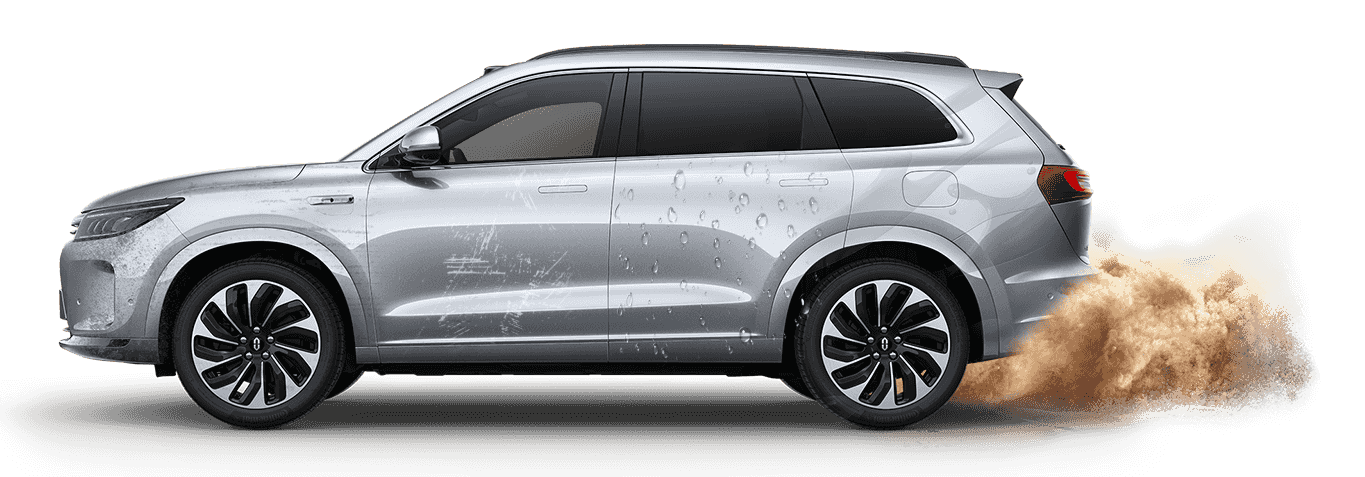
Every day cars are exposed to a multitude of hazards that threaten the paints integrity Ultraviolet rays gradually break down pigments leading to oxidation and fading Road debris such as stones gravel and sand can chip the paint and create entry points for rust In urban environments parking lot mishaps accidental door dings and shopping cart bumps leave visible marks Biological contaminants like bird droppings tree sap and insect residue contain acids capable of etching the clear coat if left untreated Even routine car washes especially those with abrasive brushes contribute to micro scratches over time
To address these challenges traditional protection methods have long been used Waxing adds shine and a temporary hydrophobic layer while polishing removes minor imperfections Ceramic coatings provide chemical resistance and enhanced gloss lasting significantly longer than wax However none of these methods offer robust physical protection against rock chips scratches or dings This gap has led to the rise of Automotive Paint Protection Film which offers a durable sacrificial layer that shields paint from both physical and environmental threats
The benefits of PPF can be summarized as follows
Physical protection Absorbs impacts from debris and reduces the chance of chips and scratches
Chemical resistance Protects against acids tree sap and other corrosive substances
UV protection Prevents fading and oxidation caused by prolonged sun exposure
Self healing properties Minor scratches can disappear with heat or sunlight keeping the paint looking new
Automotive Paint Protection Film differs fundamentally from traditional coatings Unlike wax or ceramic layers that merely coat the surface PPF forms a protective barrier between the paint and the outside world It preserves the vehicles original finish reduces long term maintenance costs and helps maintain resale value Luxury car owners high mileage commuters and fleet operators all find value in PPF but even everyday vehicles benefit from the protection it offers
In conclusion the rise of Automotive Paint Protection Film represents a paradigm shift in car care For those seeking a long term solution to preserve their vehicles appearance and value PPF is an investment that addresses the limitations of traditional protective methods By combining physical impact resistance chemical and UV protection and modern self healing technology it has become the go to choice for anyone serious about maintaining their cars finish
Minor scratches and swirls disappear when exposed to heat or sunlight This helps maintain a flawless appearance without constant detailing
UV protection Constant sun exposure can fade paint particularly on darker or metallic finishes PPF contains UV inhibitors that preserve color depth and prevent oxidation
Chemical resistance Bird droppings tree sap industrial fallout and bug residue can chemically etch the paint PPF forms a protective barrier that prevents direct contact with these substances reducing the risk of permanent staining
Ease of maintenance Hydrophobic films make washing simpler and reduce the adhesion of dirt and grime minimizing the risk of micro scratches during cleaning
Additionally PPF has significant financial implications By maintaining the original paint the vehicles resale value remains higher as buyers tend to trust untouched factory finishes Avoided repainting and reduced detailing also translate into long term cost savings
Ultimately PPF blends protection with convenience Beyond shielding the vehicle it improves the owners experience by reducing maintenance efforts and ensuring the car maintains a just off the lot appearance for years For anyone seeking to protect both aesthetics and investment the benefits of PPF are clear and measurable
Part 4 Types Materials and Finishes
Not all Paint Surface Films are created equal Differences in materials thickness finish and additional technologies mean that choosing the right PPF requires careful consideration Understanding these distinctions helps vehicle owners match the film to their needs driving conditions and aesthetic preferences
The most common material is thermoplastic polyurethane TPU valued for its elasticity optical clarity and durability TPU films conform to complex curves and resist abrasion while offering self healing properties Thermoplastic elastomer TPE is a budget alternative with acceptable flexibility but
generally lacking self healing and long term UV protection Older PVC based films are largely obsolete due to yellowing and cracking over time
PPF is available in different finishes to accommodate both protection and styling
Glossy clear films Nearly invisible preserving the original factory shine
Matte or satin films Convert a glossy finish into a modern understated look while maintaining protection
Textured or patterned films Options such as carbon fiber or brushed textures combine aesthetics with functionality but are niche and less invisible
Additional features can enhance performance
Self healing topcoat Repairs minor scratches without professional intervention
Hydrophobic surface Repels water and contaminants making cleaning easier
Anti yellowing layers and UV stabilizers Maintain optical clarity over the films lifespan
Coverage options vary depending on use and budget
Partial coverage Critical high impact zones like bumpers hood and mirrors
Full front end coverage Ideal for highway drivers or areas prone to road debris
Full body coverage For collectors luxury vehicles or anyone seeking maximum preservation
Selecting the right PPF involves balancing cost coverage material quality and desired aesthetic effect Premium films may require a larger upfront investment but provide superior long term protection and appearance retention
In conclusion the type of film material and finish all play pivotal roles in how well PPF performs A carefully chosen PPF protects against physical and chemical hazards while allowing drivers to maintain or even enhance the visual appeal of their vehicle
Part 5 Installation Process and Considerations
Installing Paint Protection Film is a precision process that requires preparation skill and attention to detail While DIY kits exist professional installation ensures optimal results long term durability and warranty coverage Understanding the installation process helps owners set expectations and plan for proper maintenance
The installation begins with surface preparation Vehicles must be meticulously cleaned decontaminated with clay bars and polished to remove any imperfections Even minor debris trapped under the film will be sealed permanently emphasizing the importance of a clean working environment
Key steps in professional installation include
Templating and pattern alignment Custom cut templates are used for accurate fitting reducing trimming errors and ensuring seamless coverage
Wet application and positioning A slip solution allows technicians to move the film into place before adhering Proper squeegeeing removes trapped water and air creating a smooth bubble free finish
Heat application and edge sealing Heat guns help the film conform to tight curves while edges are tucked or sealed to prevent lifting over time
Additional considerations include
Curing period Most films require twenty four to forty eight hours to fully adhere During this time vehicles should avoid washing or high pressure water exposure
Maintenance guidance Owners are typically advised to use pH neutral soaps and avoid abrasive washes Minor bubbles or haze usually dissipate as the film settles
Signs of quality installation Smooth edges no trapped debris invisible seams and a consistent glossy or matte surface indicate professional work
While professional installation may be costlier the advantages are significant High quality film applied correctly maximizes longevity preserves warranty coverage and ensures the vehicle looks flawless for years
In summary installation is as critical as the choice of film Careful preparation precision alignment and proper post installation care guarantee that PPF delivers its full protective benefits and maintains a high quality appearance
Part 6 Maintenance and Long Term Care
While Paint Protection Film dramatically reduces the need for constant detailing it is not maintenance free Proper care ensures your PPF performs optimally for its entire lifespan often five to ten years with premium films
Washing your PPF protected vehicle should be done every two to four weeks to prevent buildup of contaminants Use pH neutral car shampoos only Avoid degreasers abrasive cleaners or dish soaps as they can degrade the films topcoat Opt for soft microfiber wash mitts and grit guards in your buckets Never use stiff brushes or sponges Dry with clean plush microfiber towels or a blower to avoid dragging dirt across the surface
Avoid automatic car washes with brushes The bristles can lift film edges or trap grit that scratches the surface Keep high pressure washers at least twelve inches away from the surface especially near film edges
Most modern PPFs come with hydrophobic self healing topcoats Adding waxes sealants or ceramic coatings is unnecessary and may void warranties
Inspect your film quarterly Look for lifted edges especially around bumpers mirrors and door handles Early detection prevents peeling Minor swirls or scratches often disappear with sunlight warm water or a heat gun on low setting For deeper damage consult your installer patches or partial replacements are possible Bird droppings or tree sap should be removed as soon as possible Soak with warm water and gently wipe never scrape
To maximize longevity park in shade or use a car cover to minimize UV exposure Avoid fuel spills or harsh chemicals sitting on the film Reapply hydrophobic spray PPF safe annually if water beading diminishes Many premium PPF brands offer top up sprays that rejuvenate hydrophobicity and slickness ask your installer for recommendations
Part 7 Cost ROI and Value Comparison
One of the most common questions car owners ask is Is PPF worth the cost The answer is yes when viewed as a long term investment in both aesthetics and financial value
Typical installation costs in the US market vary Partial coverage such as bumper mirrors and door edges ranges from five hundred to twelve hundred dollars Full front end coverage including hood fenders bumper mirrors and headlights ranges from twelve hundred to twenty five hundred dollars Full vehicle wrap ranges from four thousand to eight thousand dollars or more depending on vehicle size and film brand Prices vary by region vehicle size and film brand Exotic or complex body vehicles may cost more due to labor intensity
When comparing PPF to alternatives over five years waxing costs about two hundred dollars initially but requires over one thousand dollars in maintenance and may need a full repaint costing three thousand dollars or more Ceramic coating costs one thousand to two thousand dollars initially with three hundred to five hundred dollars in maintenance Touch ups may still be needed PPF full front costs about two thousand dollars initially with only about two hundred dollars in maintenance over five years and allows for patch or section replacement if damaged PPF also has a high positive impact on resale value
A twenty twenty three iSeeCars study found that cars with PPF retained twelve point seven percent higher resale value on average compared to unprotected counterparts For leased vehicles PPF can eliminate or reduce wear and tear charges chips scratches and fading are common penalty triggers Buyers trust original paint plus PPF more than repainted panels transparency and factory integrity matter
For most owners PPF pays for itself within three to five years through avoided paint correction or resprays higher trade in or private sale value and reduced detailing frequency and cost If you plan to keep your car more than three years or care about its appearance and value PPF is not an expense it is an investment with measurable return on investment
Part 8 Top Brands and How to Choose a Trusted Installer
Not all PPF is created equal and neither are installers Choosing the right combination is critical for performance warranty and peace of mind
Top PPF brands include XPEL Ultimate Plus which uses TPU material has excellent self healing and a ten year warranty It is the industry gold standard with precision patterns best for luxury cars and perfectionists Three M Pro Series also uses TPU has good self healing and a seven to ten year warranty with a wide dealer network reliable for mainstream sedans and SUVs Suntek Ultra uses TPU has excellent self healing and a seven to ten year warranty offering great value and strong clarity best for budget conscious premium buyers LLumar Platinum uses TPU has good self healing and a ten year warranty with excellent UV resistance best for sunny climates and convertibles KAVACA CS uses TPU with ceramic topcoat has superior self healing and a twelve year warranty with hydrophobic slick ultra durable properties best for show cars and daily drivers
To choose an installer ask if they are an authorized dealer for the brand you want Only authorized shops can offer valid manufacturer warranties Ask to see examples of their work on your car model Look for invisible seams tucked edges and no bubbles Ask if they offer a warranty on labor Reputable shops offer one to two years labor warranty in addition to film warranty Ask about their curing policy They should advise you on post install care such as no washing for forty eight hours Ask if they use pre cut patterns or hand cut Pre cut means less risk of paint damage faster install and cleaner fit
Red flags include shops that say they use imported film often gray market with no warranty prices significantly below market average no physical shop or online reviews and pressure to decide today or limited time discount Use brand websites such as XPEL dot com or Three M dot com to find certified installers near you Do not trust third party directories alone
Part 9 Common Myths and FAQs
Let us clear the air here are the most common misconceptions about PPF debunked with facts
Myth PPF will turn yellow over time
Truth Modern TPU films include UV stabilizers and anti yellowing layers Yellowing was a problem with old PVC films not todays premium PPF Brands like XPEL and KAVACA guarantee optical clarity for ten years or more
Myth You cannot wax or seal PPF
Truth You can but you do not need to Most PPFs have hydrophobic topcoats that outperform wax If you must use PPF safe non abrasive products Never use carnauba wax with dyes it can stain film edges
Myth DIY kits are just as good if you are careful
Truth DIY is risky Without a controlled environment proper tools and training you risk trapped dust or lint permanently visible misaligned cuts or lifted edges stretching or thinning the film over curves and voiding manufacturer warranty Professional installers train for hundreds of hours Your car deserves that expertise
Myth PPF ruins your factory paint warranty
Truth PPF is an exterior add on that does not interfere with mechanical or paint warranties Manufacturers like Tesla BMW and Porsche even recommend or offer PPF through their dealerships
Myth You cannot install PPF in winter
Truth Professional shops have climate controlled bays Cold weather does not affect installation only DIY attempts outdoors Film cures slower in cold but pros account for that
Bonus FAQs
Can PPF be removed without damaging paint Yes when removed by a professional PPF leaves no residue and does not harm OEM paint
Does PPF protect against rock chips at highway speeds Yes premium films eight to ten mil thickness can withstand impacts from gravel at seventy miles per hour or more
Can I install vinyl wrap or graphics over PPF Yes and it is recommended Wrap over PPF protects both the film and paint Removal will not damage either
What if my PPF gets scratched deeply Small scratches self heal Deep gouges can be patched or replaced sectionally no need to redo the entire panel
Part 10 Final Thoughts Protect Your Investment Today
Automotive Paint Protection Film is not a luxury it is the new standard for intelligent car ownership
Whether you drive a Tesla Model Three to work a Ford Bronco on weekend trails or a Porsche Nine Eleven you have dreamed of for years your cars finish is constantly under siege Sun stones sap scratches they all add up silently eroding beauty and value
PPF is your invisible shield It works twenty four seven so you do not have to It heals itself It preserves your paint like a museum case preserves art And when it is time to sell trade or simply admire your car in the driveway you will be glad you invested
Why wait Every mile driven without protection is a gamble Every day parked under the sun without UV defense is fading your finish Every automatic car wash without PPF is adding micro scratches
Do not wait for the first chip Do not wait until the bird etch becomes permanent Do not wait until resale time to wish you had protected your paint
Take action today
Assess your needs Commuter Collector Off roader Choose coverage accordingly
Research brands Match film quality to your expectations
Find a certified installer Use brand locators Read reviews Ask for portfolios
Schedule a consultation Most shops offer free quotes and walk you through options
Install and enjoy Drive with confidence Wash with ease Sell with pride
Your car is more than metal and paint It is freedom It is pride It is investment
Give it the protection it deserves
End of Guide
Bonus Quick Reference Checklist for Buyers
Define your budget and coverage needs partial front full
Choose a reputable brand XPEL Three M KAVACA etc
Find an authorized certified installer
Ask for warranty documentation film and labor
Schedule installation in a climate controlled facility
Follow post install care instructions forty eight hour cure gentle wash
Maintain with pH neutral soap and microfiber only
Inspect edges quarterly address lifting early
Enjoy a flawless finish for years and cash in when you sell

-

Building 1, Building 3, No.68 Kangyuan Road, Qingpu District, Shanghai, China
-

-
-

+86-17621250420
Copyright © Shanghai Astrace New Material Technology Co., Ltd. All Rights Reserved. Car Modification Smart Glass Film Supplier
